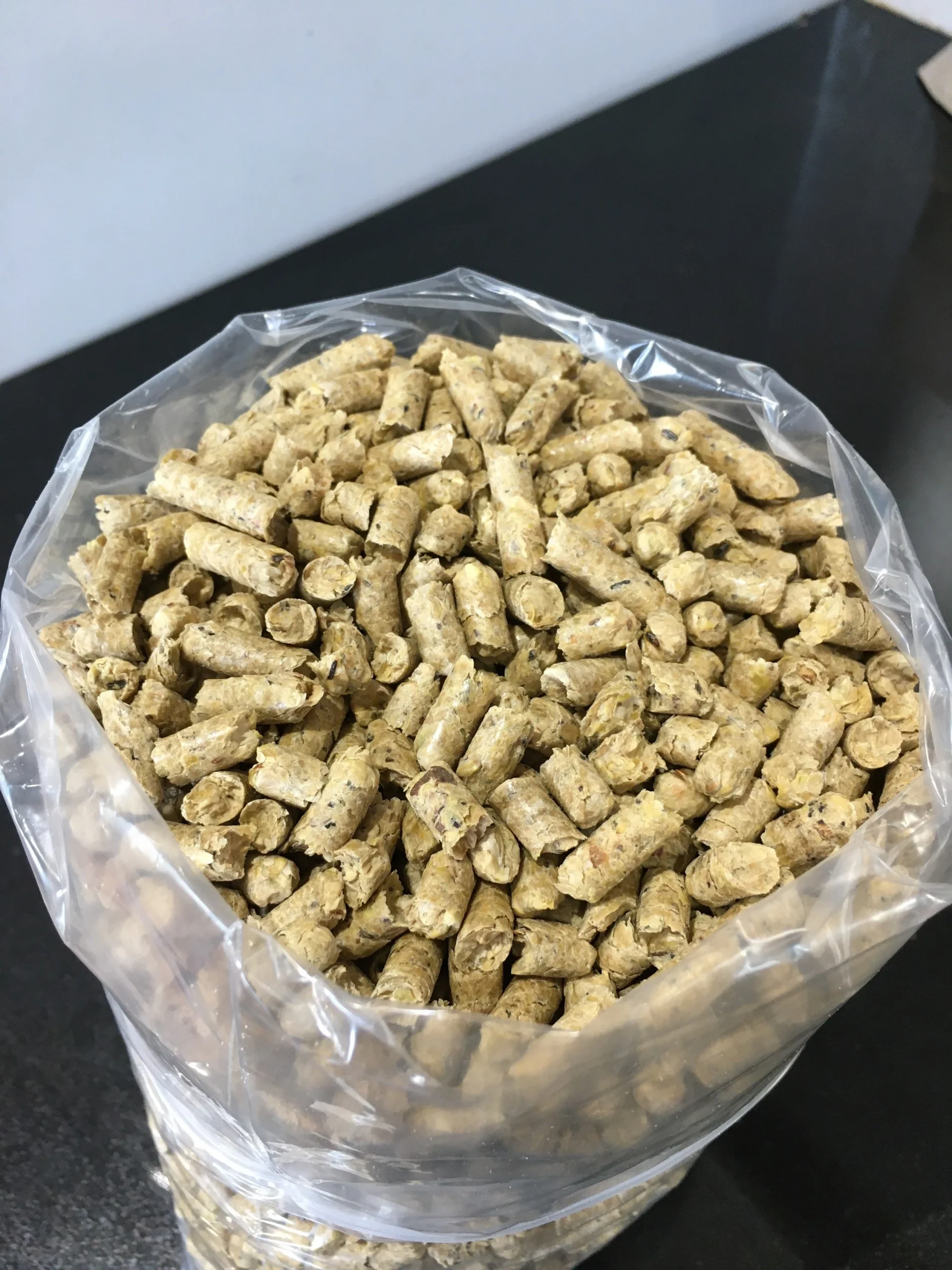
Soybean hulls are commonly used as a supplemental ingredient in mushroom cultivation. They are added to the main substrate to enhance its nutritional composition and improve overall mushroom growth. Here’s a description highlighting their role as a supplement:
- Nutritional Enhancement: Soybean hulls are rich in carbohydrates, proteins, and fibers, which can supplement the nutritional content of the main substrate. By adding soybean hulls, mushroom cultivators can provide additional nutrients to support mycelium growth and subsequent fruiting.
- Substrate Modification: Incorporating soybean hulls into the substrate can help modify its physical properties. They can improve moisture retention, increase porosity, and enhance the substrate’s ability to hold oxygen. These modifications can promote optimal conditions for mycelium colonization and fruiting body development.
- Cost-effective Solution: Soybean hulls are often readily available as a byproduct of soybean processing, making them a cost-effective supplement option for mushroom cultivators. By utilizing this agricultural waste product, cultivators can reduce costs while still improving the nutritional value of the substrate.
- pH Regulation: Soybean hulls may contribute to pH regulation in the substrate. Depending on the specific requirements of the mushroom species being cultivated, soybean hulls can help maintain the desired pH level, creating a favorable environment for mycelium growth and fruiting.
It’s important to note that the specific ratio and method of incorporating soybean hulls into the substrate may vary depending on the mushroom species being cultivated and the desired cultivation conditions. It is recommended to follow established cultivation guides or consult with experienced mushroom cultivators for the best practices when using soybean hulls as a supplement.
Reviews
There are no reviews yet.