Showing all 6 results
Grain:
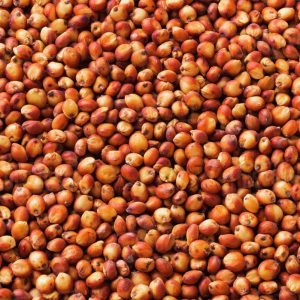
Grain is commonly used as a substrate for mushroom cultivation. It refers to cereal grains such as rye, wheat, oats, and millet that have been processed and sterilized to create a nutrient-rich and moisture-retaining medium for growing mushrooms. The grains serve as a food source for mushroom mycelium—the vegetative part of the fungus—and provide a solid foundation for its growth.
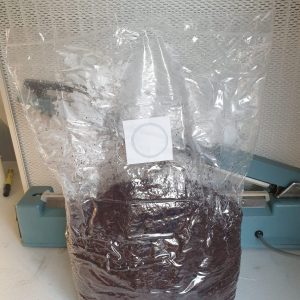
Grain substrates are prepared by first cleaning and washing the grains to remove impurities. Then, the grains are soaked in water to hydrate them before being cooked or simmered until they are partially cooked. Afterward, the grains are drained, cooled, and usually mixed with gypsum or other supplements to create an optimal nutrient balance. Finally, the substrate is loaded into containers or bags and sterilized using methods like pressure cooking or autoclaving to eliminate any competing organisms or pathogens.
Substrate:
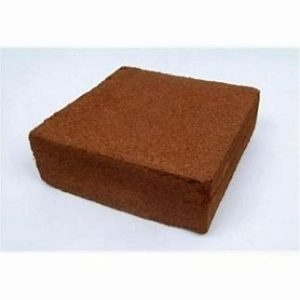
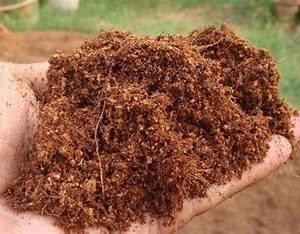
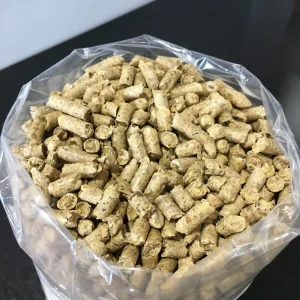
A substrate in mushroom cultivation refers to the material or medium that supports the growth of mushroom mycelium and facilitates the formation of fruiting bodies (mushrooms). While grain is a popular substrate choice, other materials can also be used depending on the mushroom species and cultivation method.
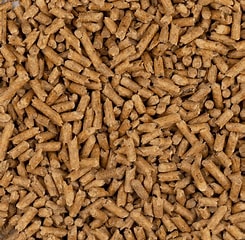
Common substrates apart from grain include hardwood sawdust, straw, wood chips, coffee grounds, and various agricultural waste products like corn cobs or cottonseed hulls. These substrates are prepared by pasteurizing or sterilizing them to create an environment conducive to the growth of the desired mushroom species while inhibiting the growth of competing organisms.
The substrate serves as a source of nutrients for the mycelium and provides a structure for the mushrooms to develop. It also helps regulate moisture levels, aeration, and pH balance to create optimal growing conditions. Different mushroom species have specific substrate preferences, so choosing the appropriate substrate is crucial for successful cultivation.